You’ll be spending more than 10 hours using AI after this
…whether you like it or not
Newsletter #11
Scroll, scroll, scroll if you want to see why AI is a terrible bar exam student
A word from the person behind the laptop
Apple passed the crypto test.
During the peak of the crypto/blockchain frenzy, Apple stayed conspicuously silent about integrating crypto features into your iPhone, apart from the usual encryption for protecting data - which, ironically, no one seemed to care about meanwhile losing millions on monkey JPEGs.
Now, Apple is introducing Apple Intelligence (AI… lol) to your iPhone, marking a significant investment in AI. It's likely because they see it as beneficial for users and a lucrative opportunity. This also means closer collaboration with OpenAI, which seems to have ruffled the feathers of a certain sink-carrying tech mogul.
This week, we’ll look into Apple’s recent announcements, privacy/security updates, and more.
Hang tight!
Wait… D-Day Anniversary was a week ago
Seeing Americans parachuting from planes at the start of June immediately brings one thing to my mind: D-Day. Maybe it’s because I’m a massive fan of the HBO series Band of Brothers, but that was all I could think of during Apple’s WWDC kickoff this year.

I’m not gonna blame you if your reference wasn’t the same as mine. I’ve clearly watched too much BoB.
While Apple’s conference may not carry the historic weight of D-Day, it was delivered with a similar sense of high-stakes drama. Expectations soared, especially with the highly anticipated integration of AI into Apple’s ecosystem.
But honestly… the result fell a bit flat for me. The conference, though polished and impactful for many, didn’t quite meet the overblown expectations surrounding Apple’s foray into AI. The combination of Apple and AI seemed promising, but AI is still too risky for big tech to fully embrace.
As Sarah Perez of TechCrunch aptly put it:
“(..)with iOS 18, which Apple showed off at WWDC 2024, the company is taking a more cautious approach: Instead of trying to overwhelm users with too many AI features to count, the Cupertino tech giant is carefully rolling out AI where it believes it could be useful. That means the tech won’t be included where it could be much of a threat to the carefully crafted consumer experience of using an Apple device.”
This is probably a smart choice. Apple has branded itself as the protector of privacy and the teacher’s pet when it comes to responsible tech development (whether this holds true is an ongoing discussion). This seems to have worked out for them. But how does the new AI initiative collide with this image?
The crypto test
Unlike the speculative frenzy that has characterised the crypto world - often a solution in search of a problem - Apple’s cautious approach to AI seems motivated by a desire to protect its credibility.
They are integrating AI only where it benefits the user, maintaining their reputation for user-friendly tech implementation.
The presentation passed my personal crypto test as well:
Step One: If you need to highlight the underlying technology just to make it seem smart, it’s likely a fail.
Step Two: If the same objective can be achieved using other technology with a proven track record, there’s probably no reason to include this particular tech in your stack.
Step Three: Bubble tendencies.
I participated in a blockchain summer school and several hackathons to assess the practicality of blockchain technology. The conclusion in many cases seemed to be the same: we might as well build the same product using technology with a proven track record.
I’ve spoken to people at companies initially built on blockchain who have since stopped advertising their blockchain base because now it evokes images of monkey JPEGs, Sam Bankman-Fried, and dubious crypto festivals.

Journalist Ryan Broderick has covered crypto festivals
As I mentioned last week, LLMs are different. They might check some boxes for certain use cases, but that’s not the point. The underlying technology is already proving to be useful. While tech companies keep chanting “AI, AI, AI,” we can hope (or fear) that the hype will subside as AI becomes naturally integrated into everyday applications.
This is where Apple comes into the picture.
Apple will make you an AI expert
Ethan Mollick’s “10-hour rule” famously claims that you’ll need at least 10 hours with AI before you find it genuinely useful. I’m with Ethan on this one. But thanks to Apple, even those reluctant to clock in their AI hours won’t have to try that hard anymore.
Why? Because Apple is weaving AI so deeply into its systems, you’ll be using it without even realising it.
Mike Gorman nails this in his article, “Apple Intelligence is Right On Time” Apple isn’t flooding the market with glitzy AI gimmicks. Instead, they’re methodically integrating AI into their ecosystem, enhancing user experience without overshadowing their core values. Here are some of the main points:
Strategic integration: Apple’s AI enhances features (like personalised health insights and intelligent photo management) in iOS 18, running subtly in the background.
Hardware synergy: Apple Intelligence leverages the latest hardware (iPhone 15 Pro, M1 Macs) to boost AI performance without compromising user experience.
Ecosystem enrichment: AI enhances Apple’s ecosystem, improving usability and streamlining interactions, with features like Siri’s advanced app controls.
Privacy-centric design: Last but not least. Apple is focused on on-device processing for tasks like Siri commands and keyboard suggestions, keeping user data secure.
While these features created quite a buzz online, the real highlight (besides finally bringing the calculator to the iPad) is how Apple manages to process AI while staying compliant with privacy standards. This is a newsletter for lawyers after all, so let’s dig into the details.
Brace yourself for the next Mira Murati Meme
When asked in a Bloomberg interview whether OpenAI used YouTube videos to train their video model Sora, Mira Murati couldn’t provide an answer. Unsurprisingly, this moment quickly turned into a meme that’s still making the rounds online.
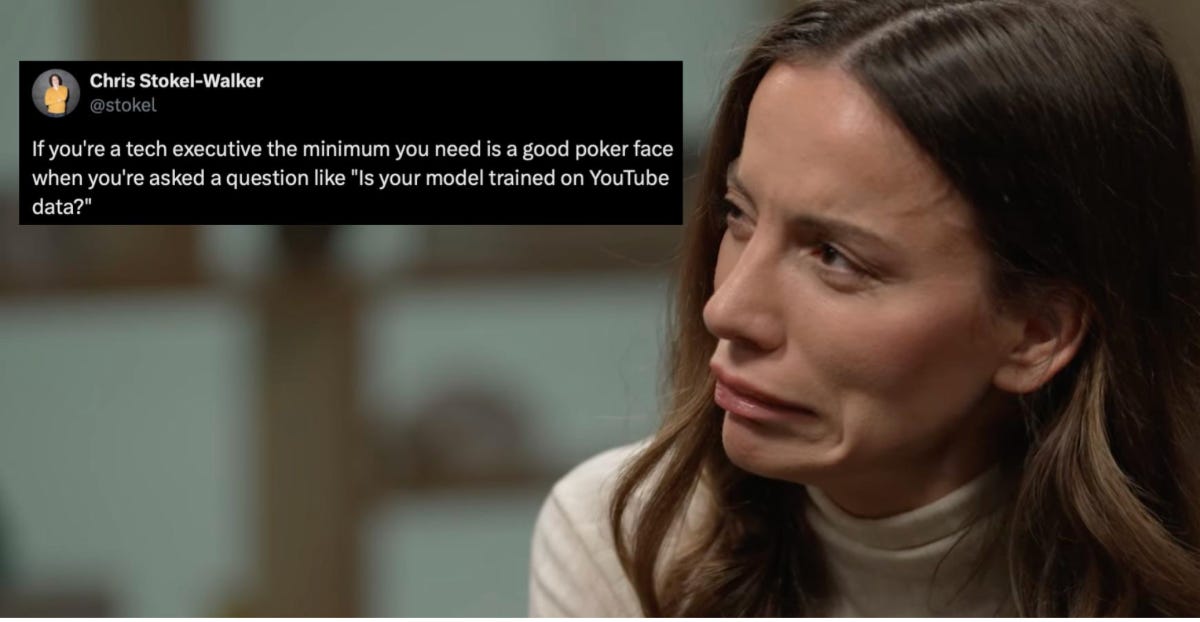
I wonder how many journalists out there are gearing up to ask Mira Murati the same question, but in the context of OpenAI’s newly announced cooperation with Apple.
But here’s why Apple’s AI initiative is different when it comes to privacy and security, and might change how we view the use of data in AI applications and hardware:
1. On-device AI processing
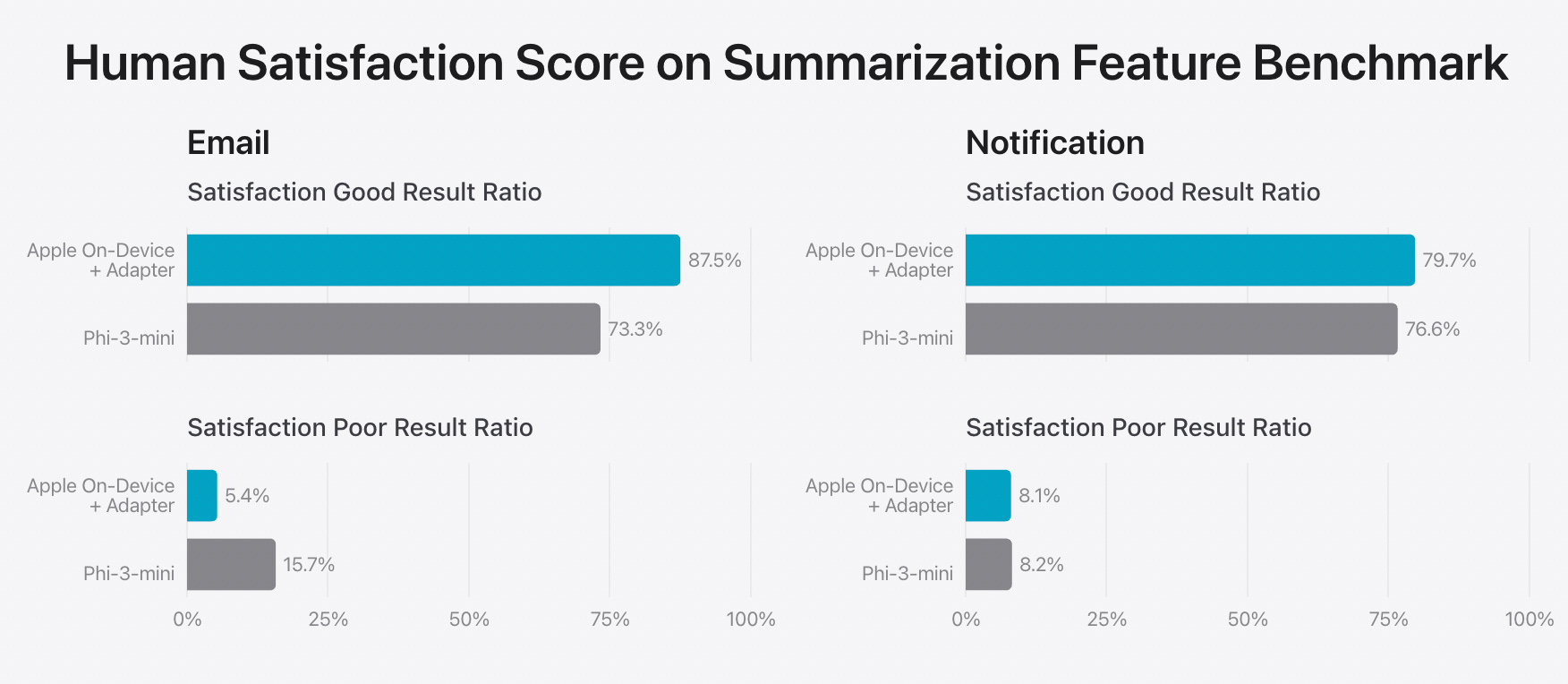
Most AI tasks (e.g., Siri commands, photo enhancements, email support) are handled directly on the device, thanks to integrated machine learning models. This keeps data local, ensuring privacy and security.
Apple isn’t chasing frontier AI models like Google or Microsoft; instead, they’ve built smaller, efficient models for on-device use and a medium-sized model in the cloud for extra heavy lifting. The power of this on-device model can be compared to Phi-3.5-mini.
2. Selective requests to OpenAI
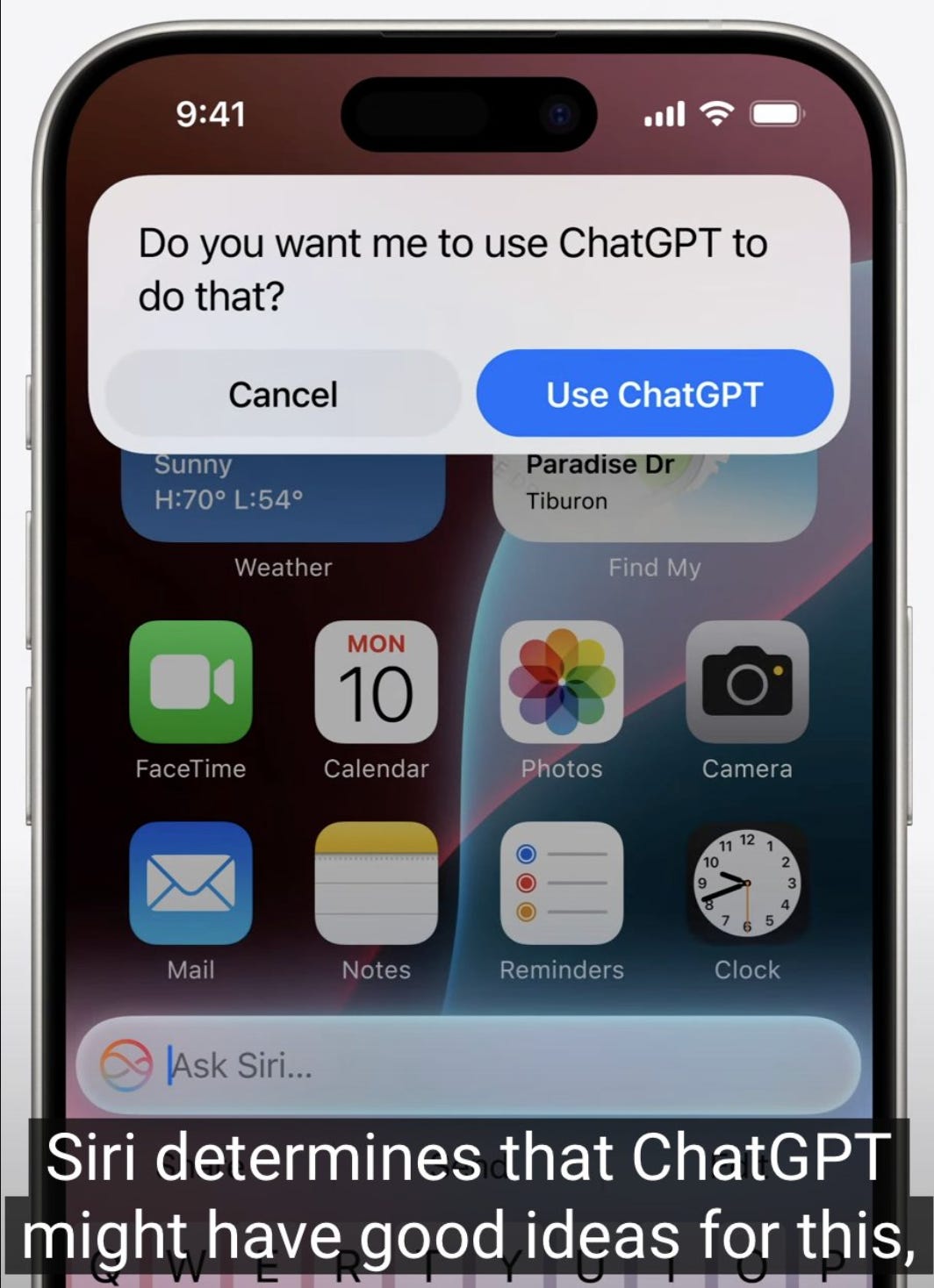
While Apple doesn’t have a cutting-edge model like GPT-4, they leverage OpenAI’s expertise for questions their models can’t tackle. For complex tasks like advanced text generation and content analysis, Apple selectively sends anonymized and encrypted data to OpenAI, ensuring user privacy by asking the user if they're willing to use ChatGPT.
3. Encryption and anonymization
Apple encrypts and anonymizes data before sending it to OpenAI, safeguarding user privacy. This is how they describe it:
When Apple Intelligence needs to draw on Private Cloud Compute, it constructs a request — consisting of the prompt, plus the desired model and inferencing parameters — that will serve as input to the cloud model. The PCC client on the user’s device then encrypts this request directly to the public keys of the PCC nodes that it has first confirmed are valid and cryptographically certified. This provides end-to-end encryption from the user’s device to the validated PCC nodes, ensuring the request cannot be accessed in transit by anything outside those highly protected PCC nodes. Supporting data center services, such as load balancers and privacy gateways, run outside of this trust boundary and do not have the keys required to decrypt the user’s request, thus contributing to our enforceable guarantees.
As someone on Twitter put it: this is a compromise that makes no one happy. People that want to use ChatGPT will have to click an extra button, and the privacy folks think this compromises their existing privacy settings on the Apple devices.
We’ll see.
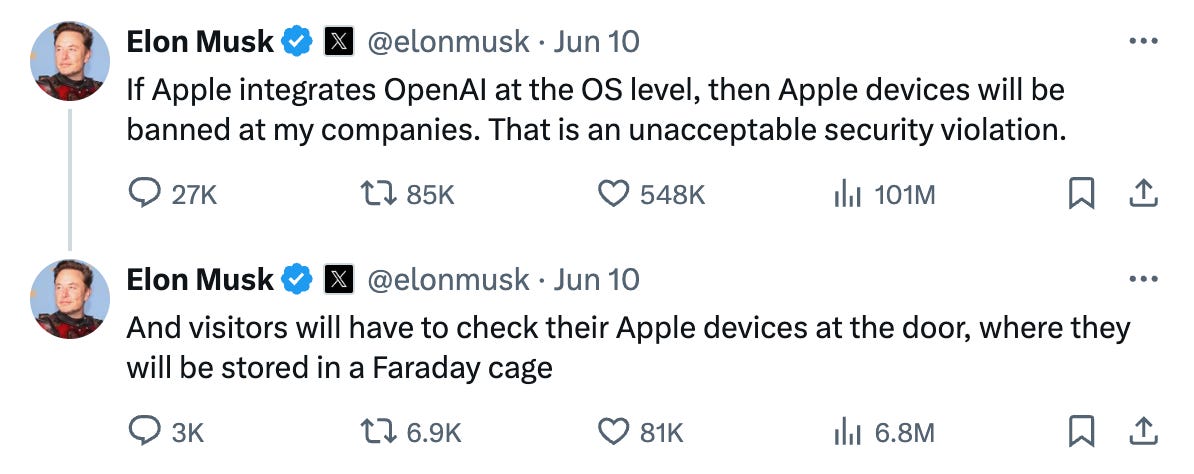
But Elon Musk defs wasn’t happy with the new partnership:
In other news…
Crikey! Google’s SurfPerch is having a yarn with corals
Google Research and DeepMind have just launched SurfPerch, an AI tool that’s practically an aquatic Steve Irwin. This beauty automatically processes thousands of hours of underwater audio, helping scientists get the lowdown on how coral reefs are holding up. Turns out, even the Great Barrier Reef needs a good chat now and then. Thanks to SurfPerch, marine biology just got a whole lot more conversational!
Another legal team with a 100 % AI adoption rate incoming?
PwC has partnered with OpenAI to add some AI magic across their consulting services - I guess this is especially relevant for legal. This collaboration is set to enhance everything from document review to report generation. Following a successful run with AstraZeneca’s legal team hitting a 100% adoption rate, it looks like this kinda cooperation is the way of testing out whether AI brings value in a corporate setting.
Startup of the Week
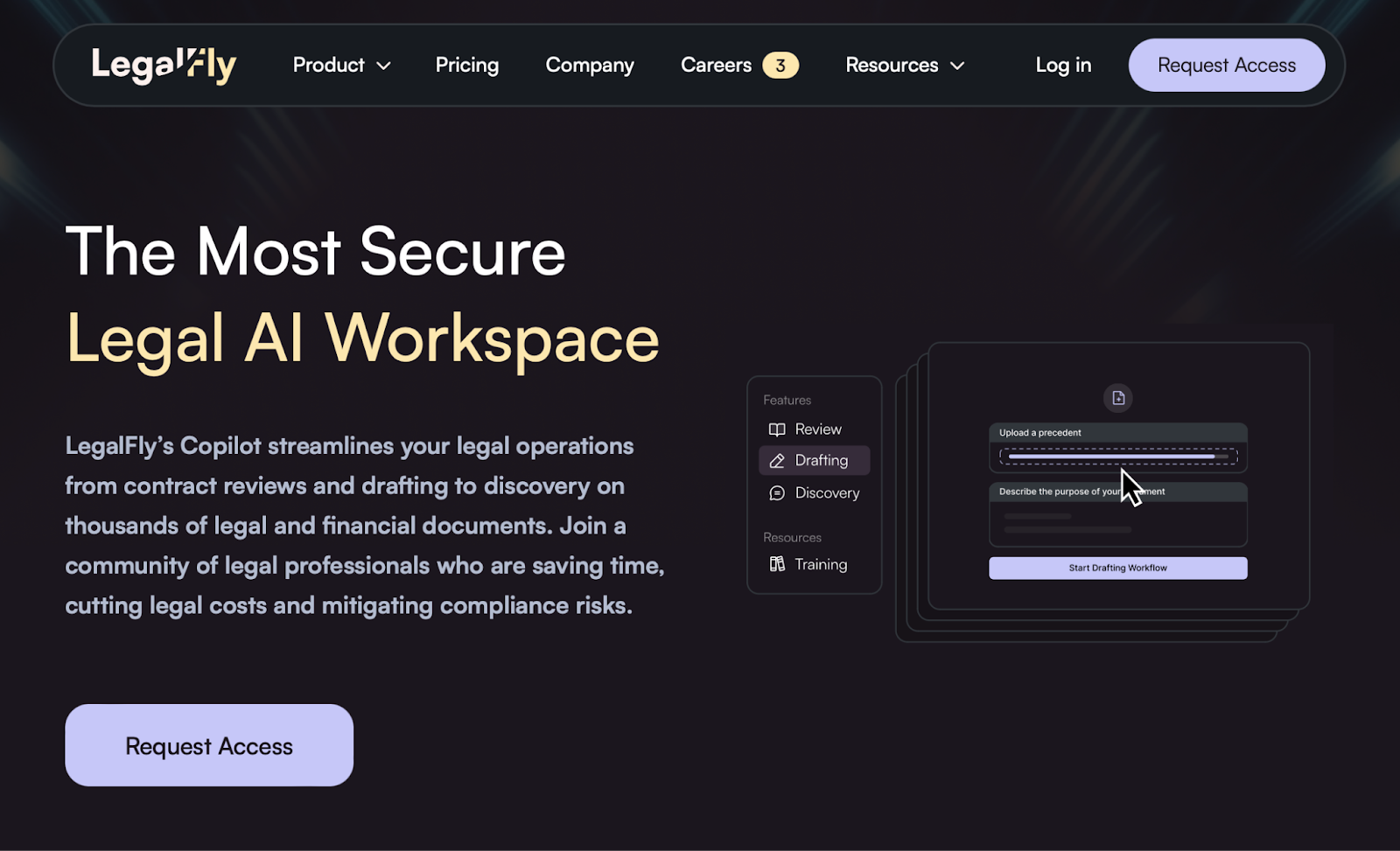
Meet the Belgian startup LegalFly. They secured €2 million back in 2023 to revolutionise your legal workflow with AI. Yes, they’re packing in the buzzwords, but here’s the twist: it’s actually quite smart, using an agent-based approach to automate complex tasks.
I haven’t tried it myself yet, but it sounds promising. And btw: companies branding themselves as “The Most Secure” on the landing page says something about the main AI concerns clients have atm.
Extra toppings
Here’s someone arguing that ChatGPT was actually pretty bad a the bar exam.
LLMs for LL.Ms: practical observations on AI, law, and building legal technology. Roughly twice a month.
Originally published on Substack →