The robots will probably take over while I'm on vacation
It would happen eventually anyway
A word from the person behind the laptop
Summer is here, which means I'll be slowing down the newsletter machine for the next month or so. I'll be sending out newsletters every now and then until I ramp up again in August.
This newsletter will provide you with a list of extra AI/law toppings you can enjoy during the summer.
Enjoy the sun! Boom!

Extra toppings (summer edition)
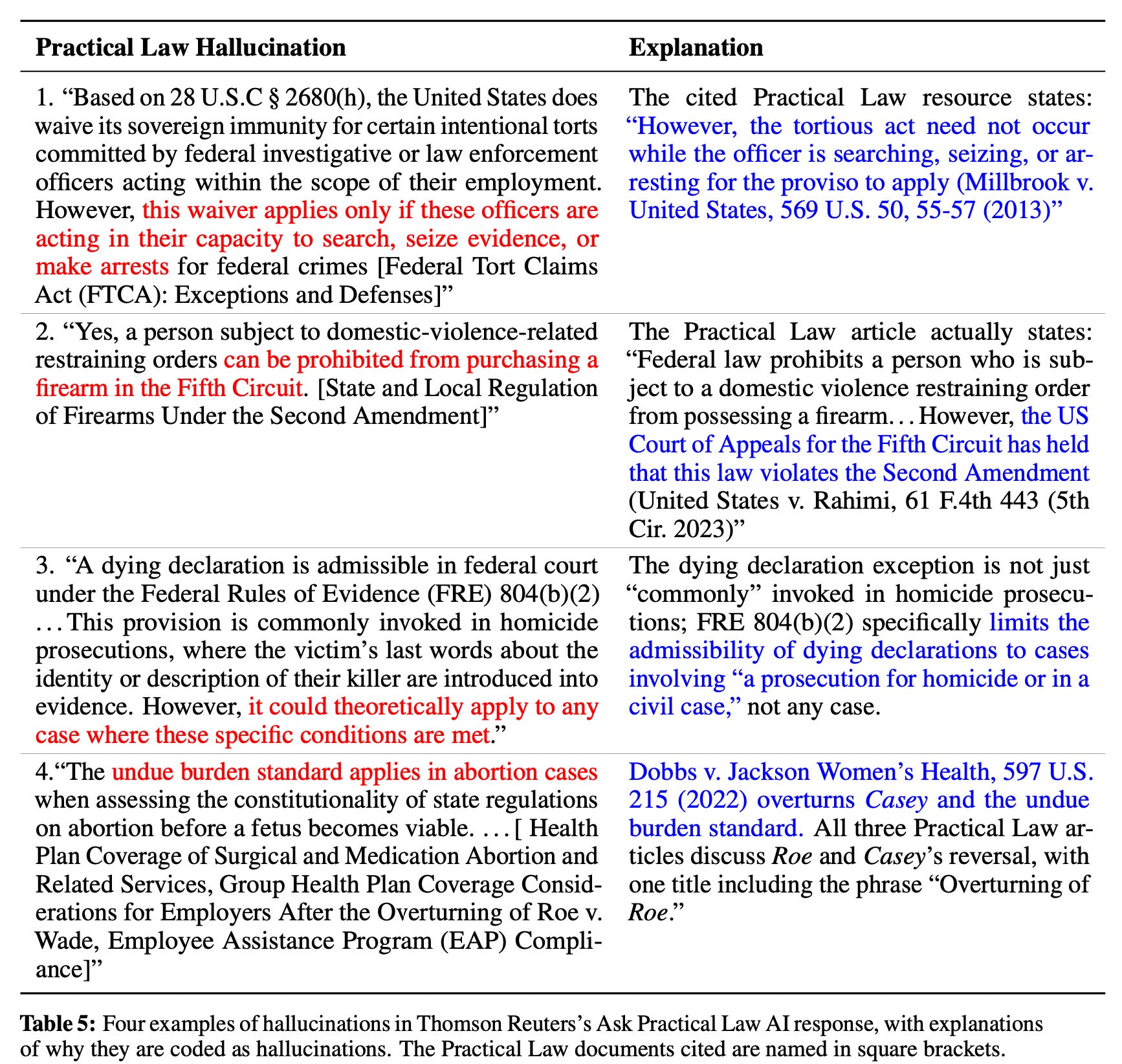
Hallucinations still plague legal AI: at least an LSD trip ends eventually
In a shocking twist, AI tools for legal research still haven’t figured out how to stop hallucinating. Legal professionals must continue verifying that key propositions are accurately supported by citations—who could have guessed? The study reveals an urgent need for rigorous, transparent benchmarking of legal AI tools. Unlike other AI domains with established benchmarks, legal AI vendors prefer keeping their systems as opaque as possible, offering little to no details about their models or benchmarking results.
Some firms, like Paul Weiss, have taken matters into their own hands, conducting secret internal evaluations. This disparity leaves smaller players guessing about AI risks and functionality, further fueling skepticism about AI’s potential to improve access to justice.
Despite the hype, these AI tools aren’t ready to replace your legal intern just yet. They might be handy for initial research, but without hard evidence of reliability, claims of hallucination-free legal AI systems are, at best, a legal fiction for now.
Read the study here.
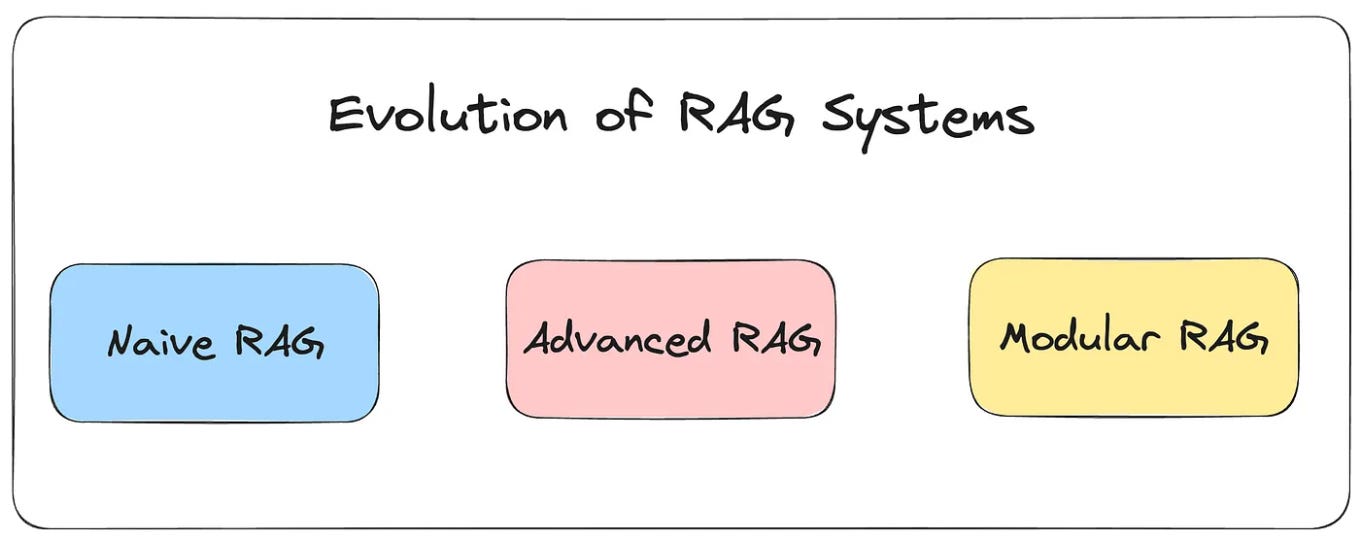
Does naive RAG mean that you’re naive? Probably.
Many companies are testing out RAG and setting up RAG pipelines as we speak. If you’re unsure what RAG means, check out my article on the subject for the University of Copenhagen’s LegalTech blog.
But the different types of RAG significantly impact the results you get, which is why I recommend this article on Medium. It thoroughly explains the differences between Naive RAG, Advanced RAG, and Modular RAG.
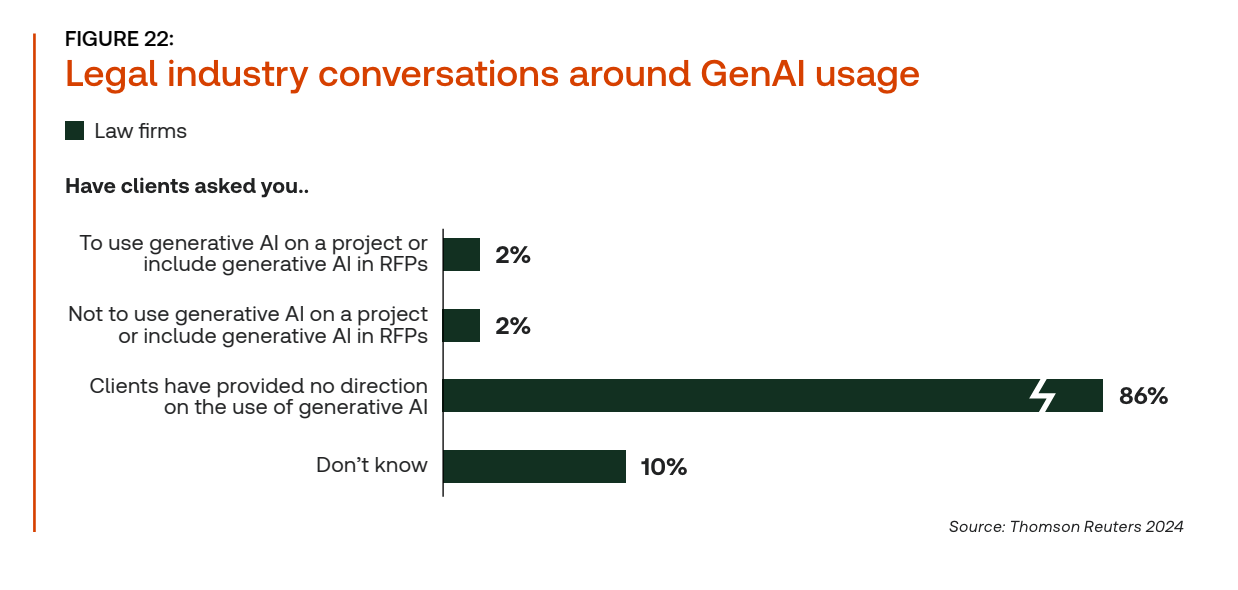
Your clients don’t want you to use AI - yet
Legal companies are under immense pressure to implement AI to improve legal work and streamline the connected processes around the work. However, a recent report from Thomson Reuters reveals that this demand isn’t coming from clients.
Thomson Reuters’ 2024 report on generative AI in professional services is a real page-turner. Generative AI, once the stuff of sci-fi, is now here to revolutionize the legal, tax, accounting, risk, and government sectors. Since late 2022, platforms like ChatGPT and GPT-4 have shown just how disruptive they can be, churning out high-quality content faster than ever.
While not everyone has jumped on the GenAI bandwagon yet, over half of professionals think they should be using it daily. This report dives into their perceptions, current usage, and the future of work in this brave new AI-driven world.
See you soon
And that’s a wrap for this week! Remember, while the robots might be plotting to take over your job, they’re not quite there yet.
I’m heading off on a much-needed vacation but stay curious and critical while I’m gone - and don’t let the bots dazzle you too much. See you soon!
LLMs for LL.Ms: practical observations on AI, law, and building legal technology. Roughly twice a month.
Originally published on Substack →